

Swiss pigeons. Eating Swiss bread. In Montreaux. In Switzerland. With some lines. Not lions. They would eat the pigeons. But not the bread. July 2015.
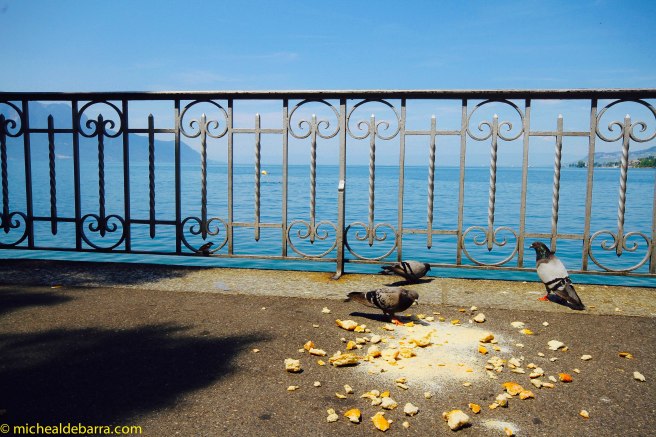


Swiss pigeons. Eating Swiss bread. In Montreaux. In Switzerland. With some lines. Not lions. They would eat the pigeons. But not the bread. July 2015.

This month in the April A to Z Challenge, I am posting about books, fiction, and nonfiction that are about or set in the Second World War. The war and the people who experienced it have stories to tell and these stories are so overwhelming they lend themselves to greatness. I encourage you to sample some of these stories. I promise you will not regret taking the time. To help me develop an alphabetical list for this challenge, I used Goodreads.com. Did you know that there are more than 883 fiction and 480 nonfiction books in this genre on the website’s Listopia as voted on by members? That is a lot of stories and facts just waiting for us to explore.
___________________________
Well known for the two blockbuster television mini-series, these novels by Herman Wouk, the…
View original post 353 more words
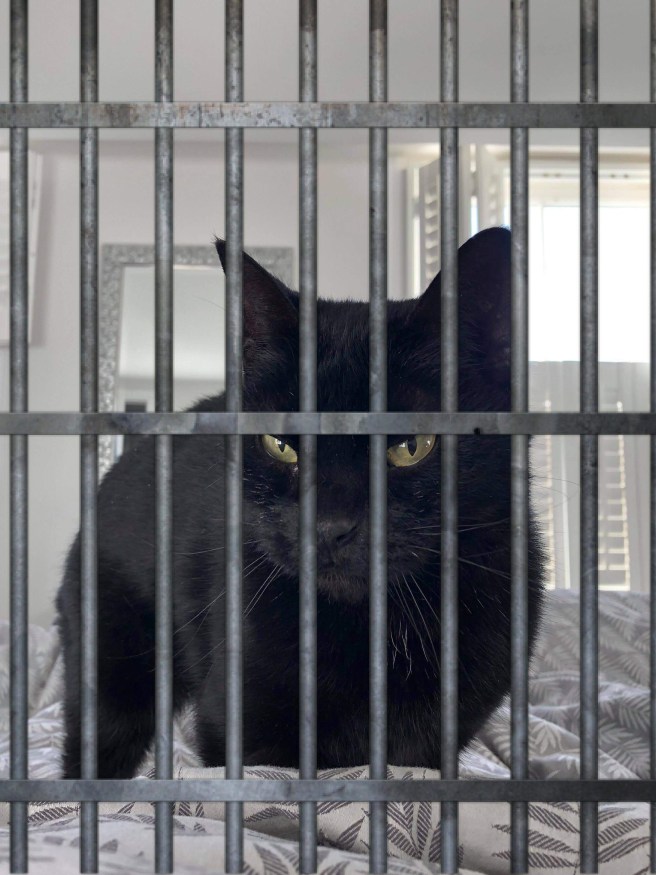
After first sticking his back leg in my tea and then kicking it all over me, Louis Catorze settled down with me to watch one of those maximum security prison documentaries. (We’re more low-brow than one would imagine – it’s not all Balzac and Baudelaire here at Le Château.) And it seems that, in Indiana State maximum security prison, they have a cat adoption scheme.
I initially had mixed feelings about the idea. My first thought was the safety of the animals: if you’ve killed a human in cold blood and are quite casual and blasé about it, you’re unlikely to have much compassion or empathy for an animal, right? But the cats look happy, glossy and well-fed, pitter-pattering freely between cells but mainly sticking to their one Cat Daddy, whom they clearly love. Even if he happens to be a serial torturer or murderer.
My second thought:…
View original post 216 more words
 Is she on the list??
I have listed approximately 350 ancestors (every ancestor I can find) who immigrated to North America. The vast majority came in the Great Migration 1620-1640. Most came to New England – Boston and surrounding area, and New Haven Connecticut. A few came to New York. And a few came to Virginia.
They range from being 6th to 10th Great Grandparents. The vast majority came from England.

(1)John Marshall the Scotisman, (2) Joseph Marshall, (3) Major Elihu Marshall, (4) Elizabeth (Marshall) Guion, (5) Elijah Guion, (6) Elijah Guion II, (7) Alfred Beck Guion, (8) Alfred Duryee Guion, (9) Alfred Peabody Guion, (10) Judith Anne Guion
The fact is very little is known about John Marshall. Unlike our other immigrant ancestors, he lived in Boston all his life after coming to America, and never had any trouble with the Puritans — he and his wife attended the First Church of Boston for many years and apparently were well content to do so. That church was the head and front of established Puritanism; one historian calls it the “Vatican of Massachusetts Bay Colony”. The Marshals attended it under the pastorate of the mighty Rev. John Cotton, most scholarly and eloquent of Puritan preachers, who was a leader in the banishment of Roger Williams and Anne Hutchinson; after Cotton’s death…
View original post 404 more words

Today, while walking in the garden, we spotted this beast. It is not easy to see as it was already late when I took the pictures…
If you do not see it, follow the telephone wire…
?
?
?
?
?
?
?
?
?
?
?
?
In any case, here it is. What I believe to be one of our rat control team: a Spotted Eagle-Owl (Bubo africanus). We did have years back a lady tenant that used to rehabilitate injured owls so perhaps this is one of their offspring? Whatever, it is amazing to have them in the garden!

Regret that the image is a bit blurred but these are crepuscular birds and pictures are challenge!
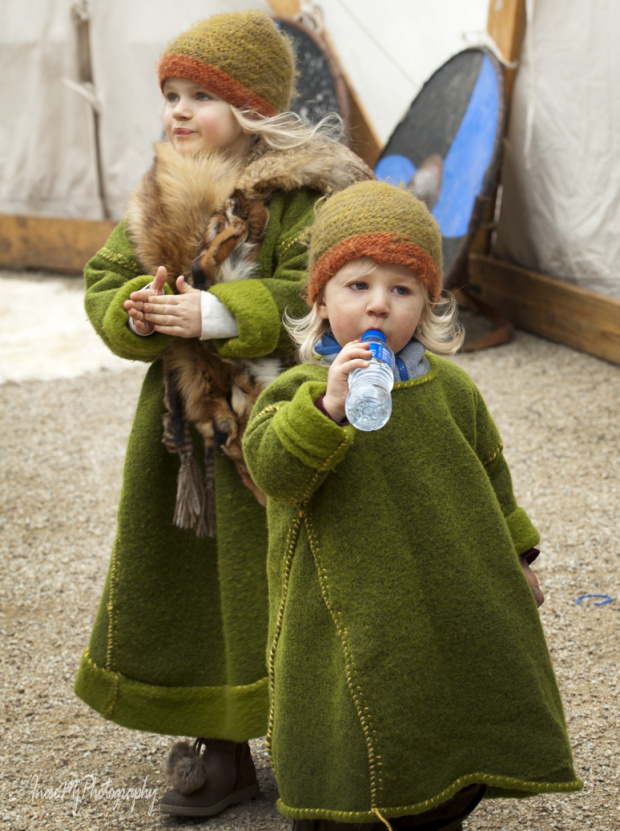
Viking Girls
A lot of familiar names here.
(1) Stephen Hussey, (2) Abigaill (Hussey) Marshall, (3) Major Elihu Marshall, (4) Elizabeth (Marshall) Guion, (5) Elijah Guion, (6) Elijah Guion II, (7) Alfred Beck Guion, (8) Alfred Duryee Guion, (9) Alfred Peabody Guion, (10) Judith Anne Guion
http://www.hamptonhistoricalsociety.org/foundpk.htm
The Nantucket period of our story can be said to begin with young Stephen Hussey, our first American-born ancestor, son of Christopher and Theodate, whom Stephen Bachiler, his grandfather, had christened at Lynn. Young Stephen was born in October of 1630, and had grown up at Lynn, Newbury and Hampton. When his father, Christopher Hussey, and Robert Pike, bought a share in the Nantucket company in 1659, Stephen was commissioned to go to Nantucket and operate their holding. He went to the island in 1660, with the very first settlers and was among Nantucket’s leading men for more than a half-century after that — in fact, until his death in 1718.
View original post 954 more words
A blog about Greece, art, and life in general
Possibly the Only WordPress Blog Hosted by Mice
Explore . Imagine . Create
Romance
Authentic Nautical Accessories, and Custom Furnishings
Musings on Hidden Beauty
My manuscript A Greek Matinée, genre that "sweet spot" between Literary and Commercial/Book Club Fiction with fit to Unstable Minds; progress and curious things; Writing, Greek Gods, Books, Recipes, Bits & Bobs
- life - bokdrols of wisdom -
birding and bird photography
Retired, not expired: words from the after(work)life. And music. Lots of music!



 Janet's Thread 2