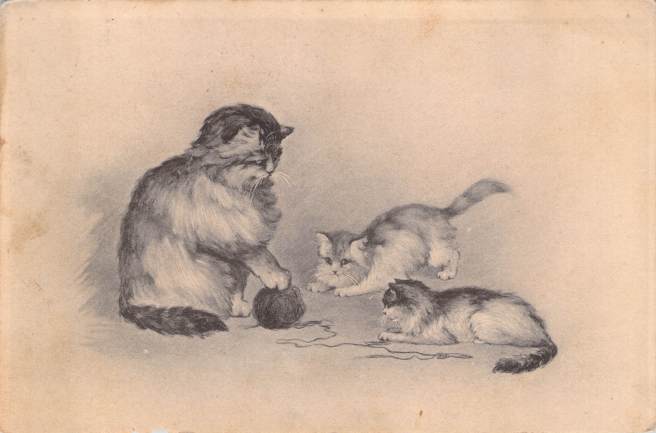
This card has been sitting on my desk for some time waiting to be published. I am still recovering from my trip earlier this month. Either figuring out how to do various procedures and/or finding the necessary materials. Two weeks is a long time!. Have patience while I try to finish my 1000 piece jigsaw.
My favorite Kilternan Country Market in Dublin Ireland is closing this coming Saturday June 24. The Market is an institution. It has been operating for 59 years. I was a member for many years. I was a member of the Crafts Section and sold many of my woven and knitted items. I was member 269. I made many many friends through the Market. I am feeling crushed!
Some of my weaving and crochet – a sample of items I would have taken to the Market for sale
It is hard work getting back to a semblance of a routine after being away for 2 weeks. I had a wonderful week in Connecticut with one of my sons and his family. Then it was off to Vermont for my 65th Reunion at Middlebury College. More of that anon. For now I’m just writing a scrap of a blog to get back in my daily routine. More will be forthcoming as I unpack etc.
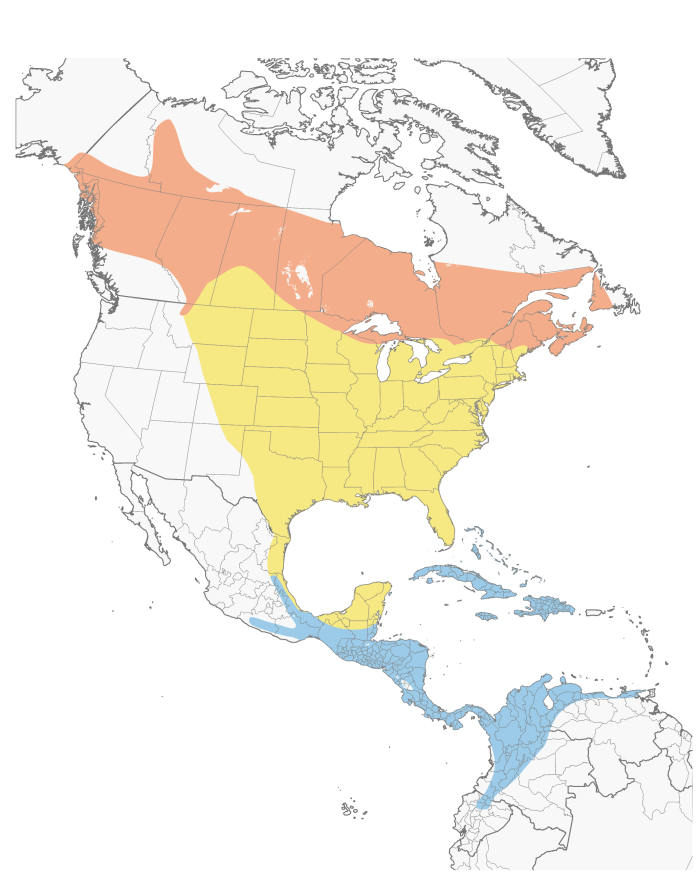
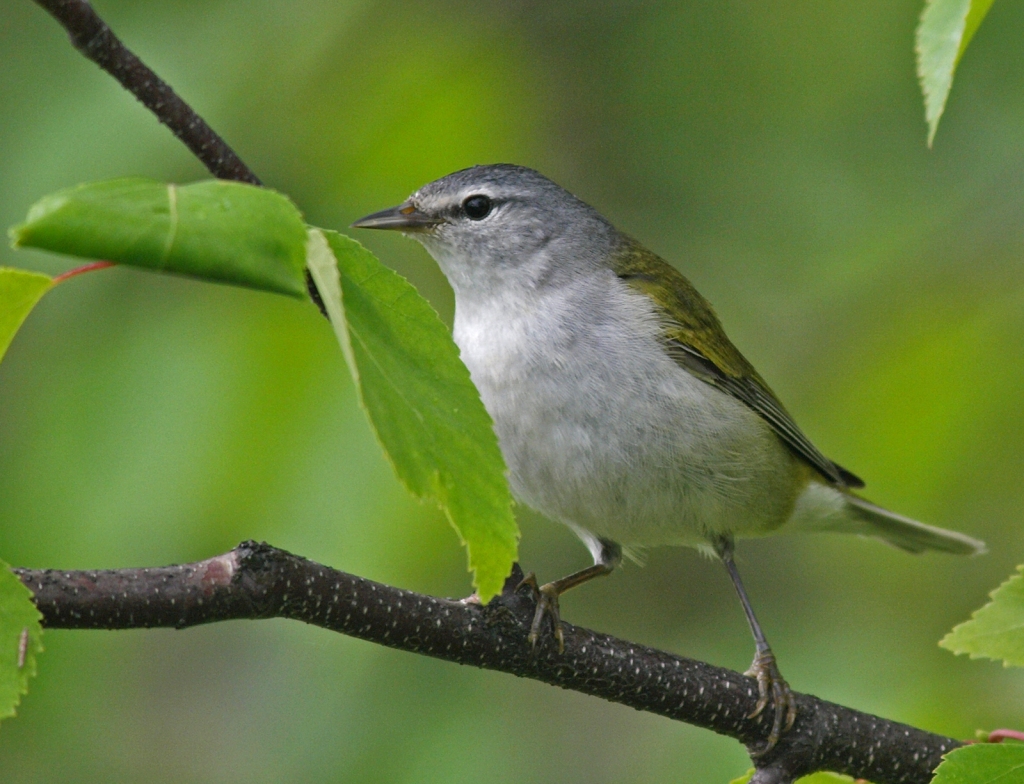
This is a seriously mis-named species. It’s only briefly in Tennessee in migration, moving between the boreal forest in Canada and Central and South America.
The migration map, at least as to the western breeding range, is out of date as well. The Tennessee Warbler has expanded its range into interior Alaska. The mist netting stations at Creamer’s Refuge, just outside of Fairbanks, have captured hatch year Tennessee Warblers, strongly indicating they are breeding there.
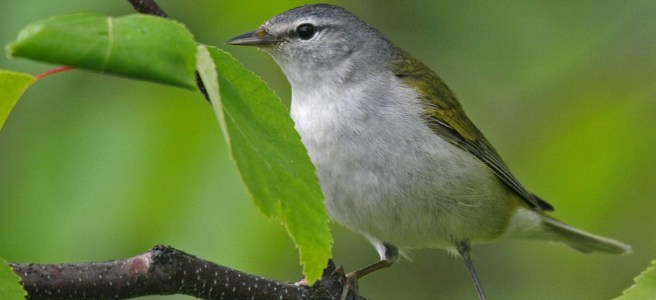
Tennessee Warbler along Goldstream Road, Fairbanks, Alaska
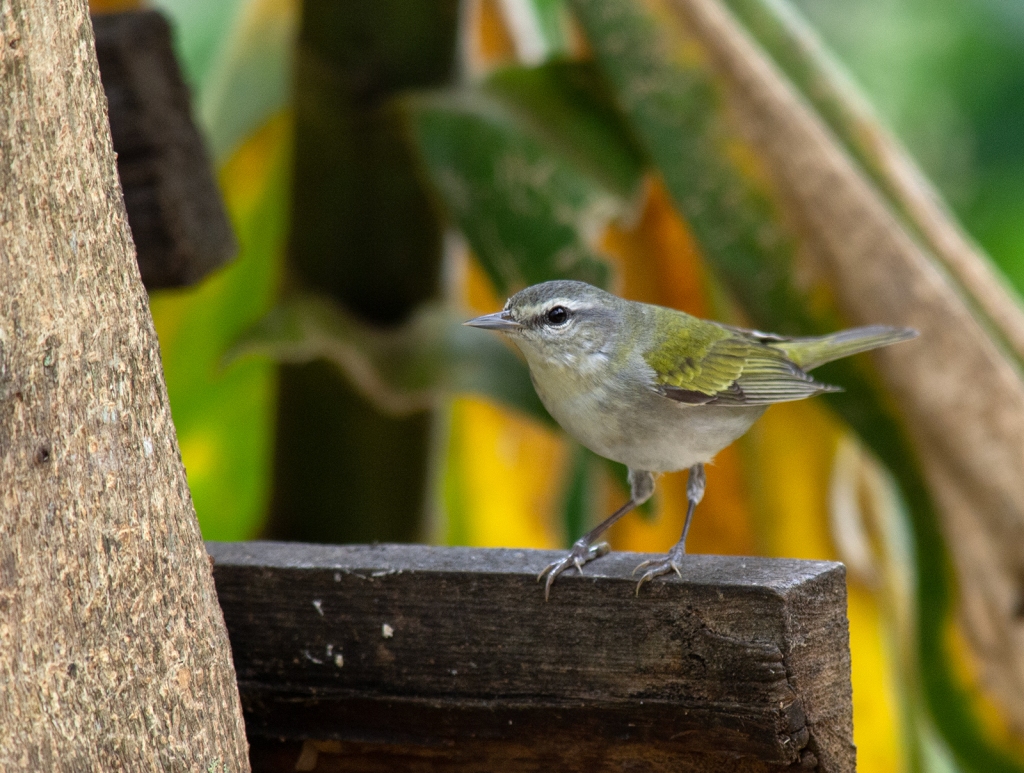
This is a generalist feeding species. During breeding season, it takes invertebrates; butterfly caterpillars constitute the bulk of food volume when feeding hatchlings. It’s an opportunistic fruit eater during migration. In its winter range, it eats invertebrates, fruit, and nectar; it’s also attracted to feeders with bananas and plantains.
The Tennessee Warbler is unusual: it migrates during molt. Molting – growing new feathers –…
Okay, a fruit-eating, nocturnal, cave-dwelling, echo-locating bird whose calls sound like a man being tortured. Nothing to see here; move along.
Evolution has some ‘splainin to do.
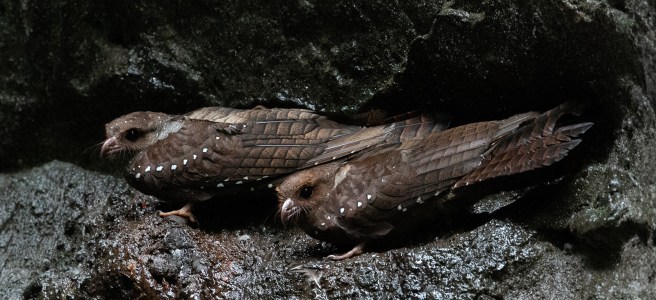
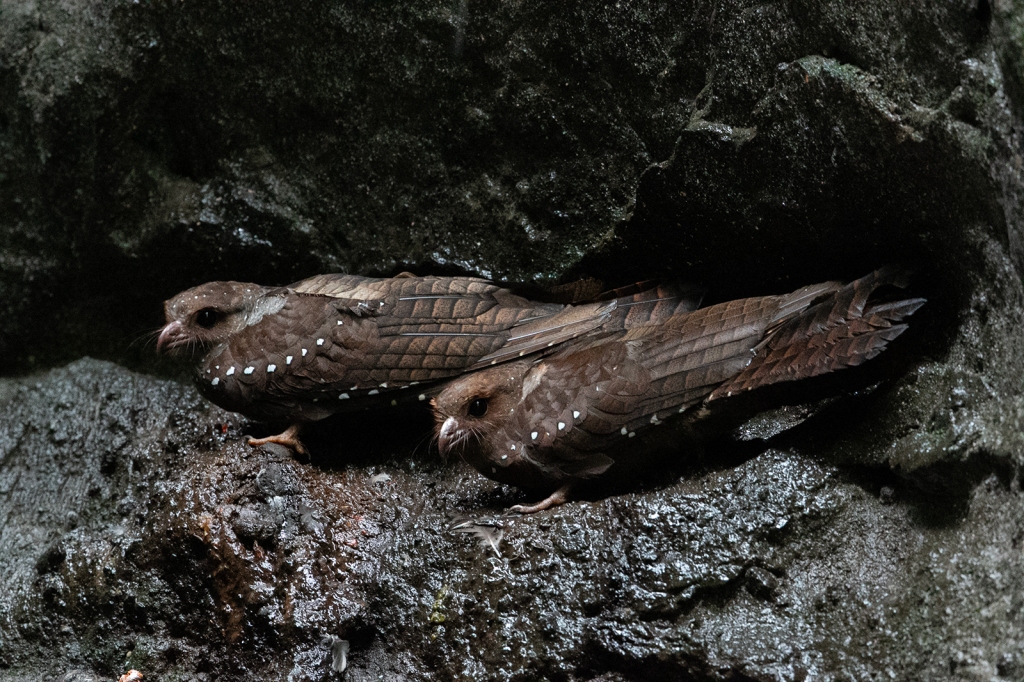
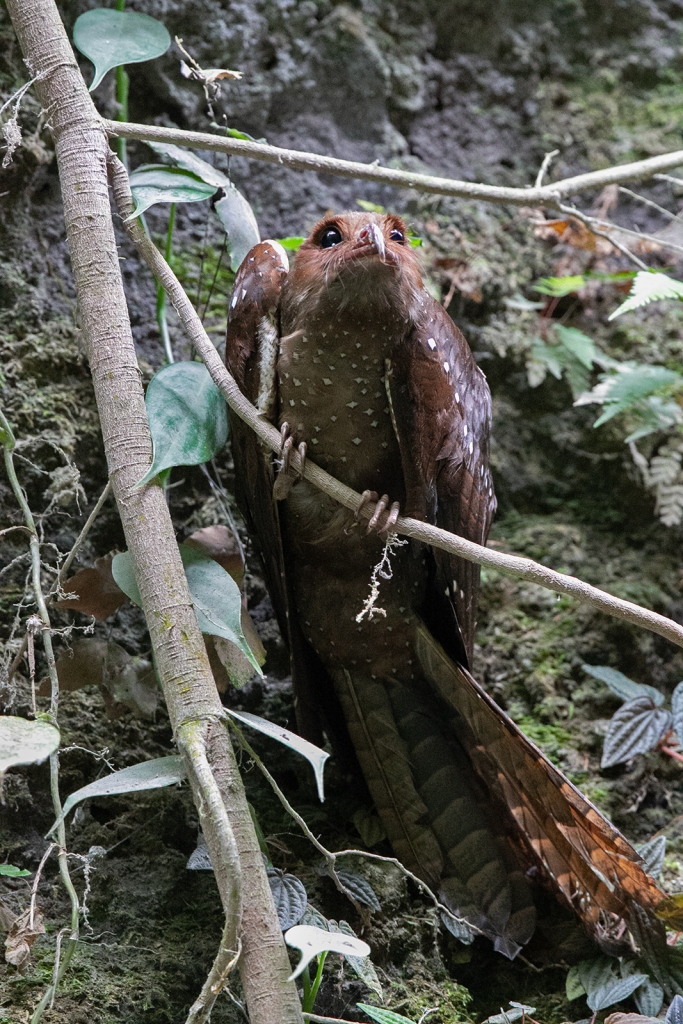
Oilbirds – the species’ hatchlings are heavier and fattier than a full-grown adult, and were rendered for oil on occasion; hence the common name – are distant cousins of Nightjars, the crepuscular/nocturnal insect eating birds like the Common Nighthawk. But the Oilbirds split off from the Nightjars a long time ago. A really long time ago, in the early Eocene. More than 50 million years ago. A fossil Oilbird was found in the Green River Formation in Wyoming. That also suggests that Oilbirds were widely dispersed in earlier days; today they are confined to the northern half of South America.
Oilbird, Ecuador
Oilbirds are so unique they are the only living member of the family Steatornihidae…
Frozen King Salmon filet, Louie’s Wild Alaska Seafood, Sitka, Alaska
The Honorable Lisa Murkowski United States Senate 522 Hart Senate Office Building Washington, DC 20510
Re: Orcas, King Salmon and the Four Lower Snake River Dams
Dear Senator Murkowski:
WC acknowledges that, after some 61 years in Bethel and Fairbanks, he is no longer a resident of Alaska. But there’s an important issue in Idaho, WC’s adopted state, that is an equally important issue in Alaska. WC is writing to ask for your support for Rep. Mike Simpson’s (R, Idaho) proposal to remove the four Lower Snake River Dams. It’s a solution to a critical Alaska problem as well.
As you know, the U.S. District Court had enjoined trolling for King Salmon in Southeast Alaska. The Pacific Northwest orca population, in steep decline, depends on King Salmon as a prey species. The decline in King Salmon populations, on the available…
I wouldn’t call it a vacation but I’ve neglected my blog for the past two weeks. I wasn’t sick – just “away”.
I had a lovely week in Glastonbury Connecticut followed by a week in Vermont. at Middlebury College. I was celebrating my 65th Reunion – I graduated in 1958.
More to be told tomorrow as I recover from all the festivities.
It was in May 2017 that I first mentioned conflict between birds and people (https://somethingovertea.wordpress.com/2017/05/03/trees-take-a-long-time-to-grow/). At the time I was horrified to note that three tall trees growing in a narrow garden outside a block of flats had been felled. It wasn’t only the loss of trees that upset me, but that only a few weeks before I had observed AfricanSacred Ibises and Cattle Egrets coming to roost in three tall trees growing next to a block of flats at the end of the day. Some of the latter had fledglings in their nests, while others were flapping their wings whilst firmly gripping the slim branches in the afternoon breeze. Doubtless residents had complained of both the noise and the mess made by the birds.
The Natal fig tree in our garden hosts well up to twenty Hadeda Ibises every night – as do other large…
May 25, 1970 – the birth of our 2nd son, Andrew, in Mt. Carmel Hospital, Churchtown, Dublin, Ireland
May 25, 1970 -In hospital waiting for labor to begin, I received the very welcome news that I had finally been awarded my PhD in Economics from the University of California, Berkeley.. Andrew was born 3 hours later.
May 25, 2023 – here I am in an “old folks home” in Seattle Washington!
My manuscript A Greek Matinée, genre that "sweet spot" between Literary and Commercial/Book Club Fiction with fit to Unstable Minds; progress and curious things; Writing, Greek Gods, Books, Recipes, Bits & Bobs









 Janet's Thread 2