It is hard work getting back to a semblance of a routine after being away for 2 weeks. I had a wonderful week in Connecticut with one of my sons and his family. Then it was off to Vermont for my 65th Reunion at Middlebury College. More of that anon. For now I’m just writing a scrap of a blog to get back in my daily routine. More will be forthcoming as I unpack etc.
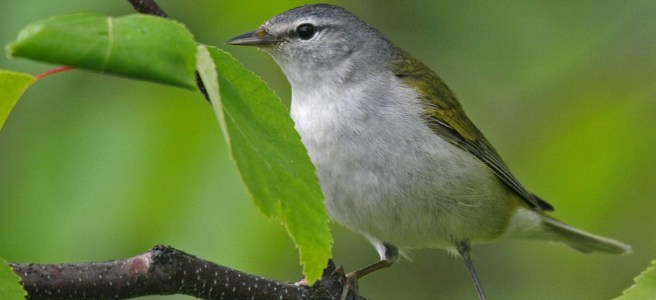
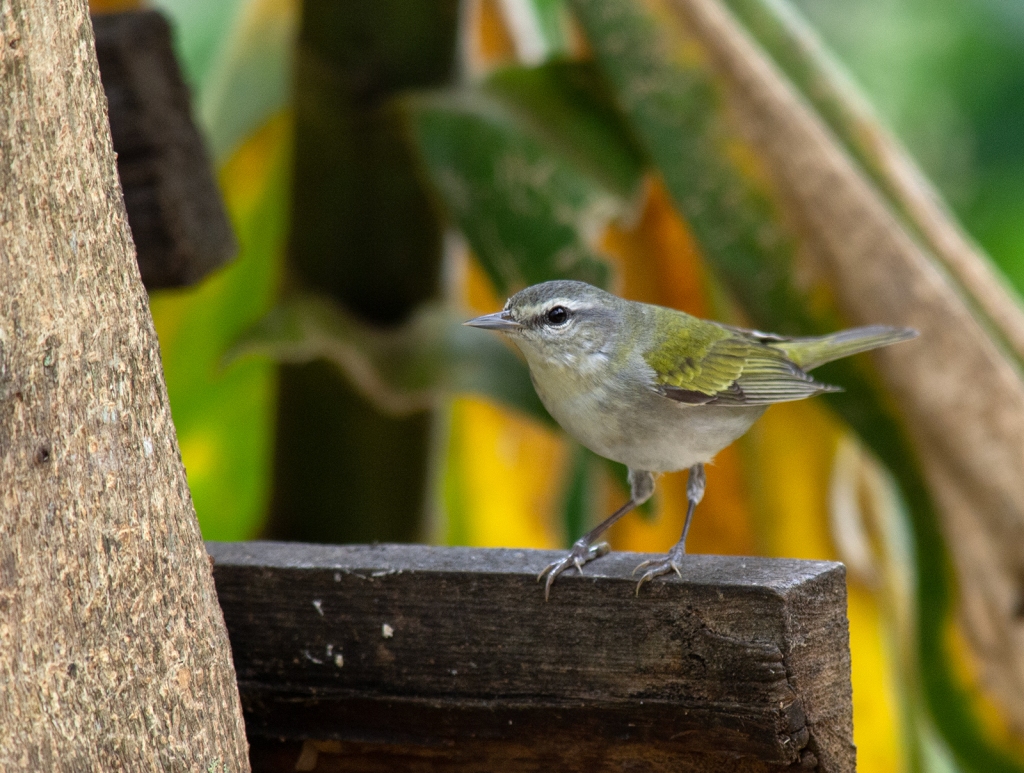
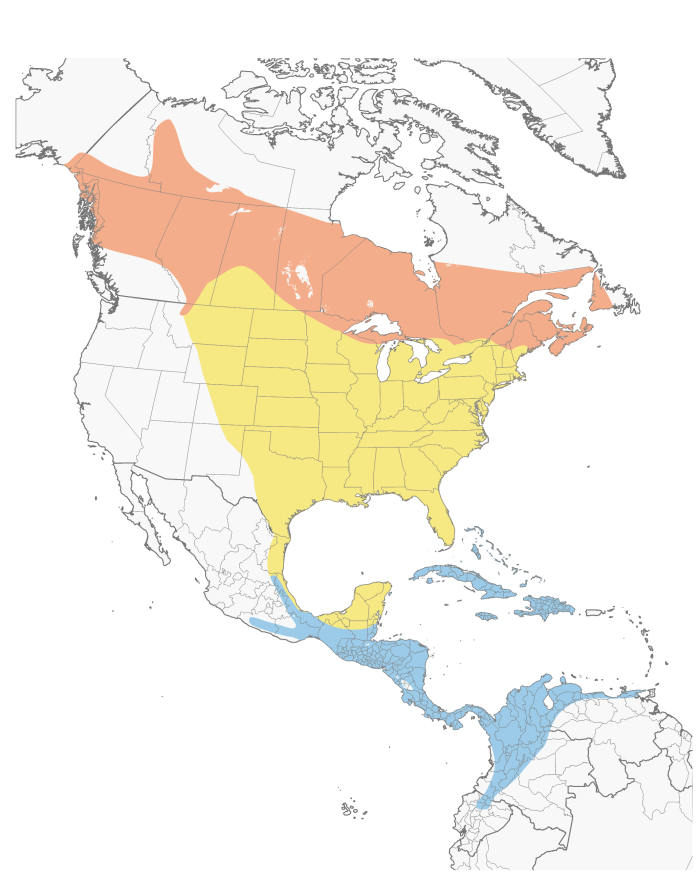
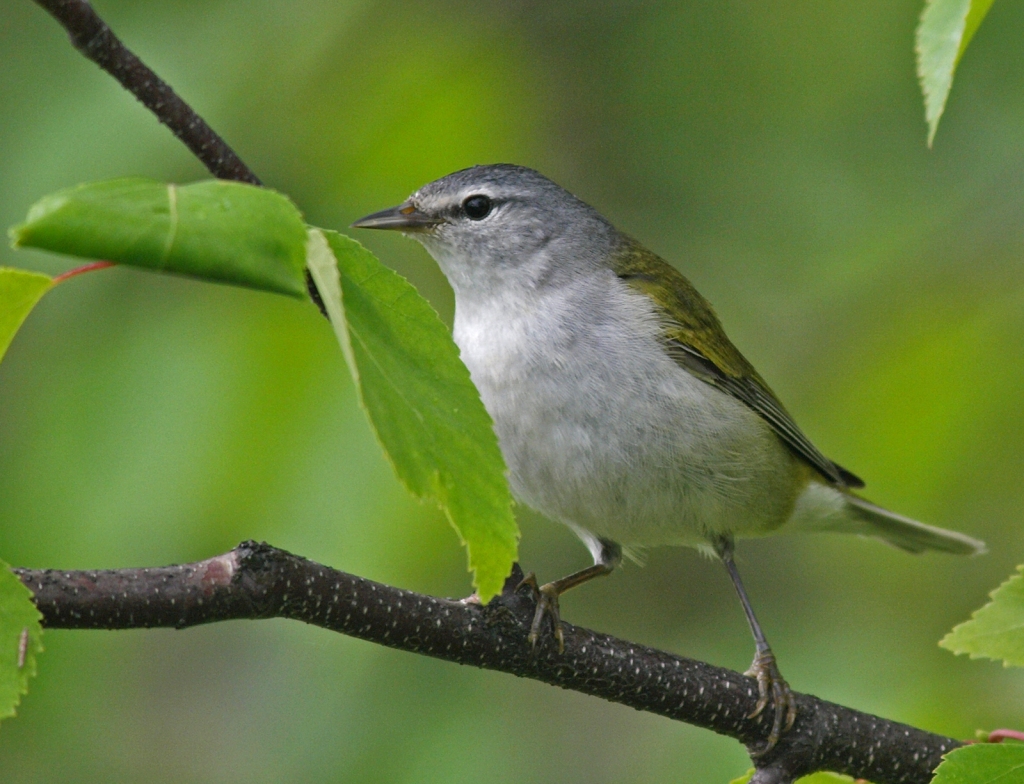
This is a seriously mis-named species. It’s only briefly in Tennessee in migration, moving between the boreal forest in Canada and Central and South America.
The migration map, at least as to the western breeding range, is out of date as well. The Tennessee Warbler has expanded its range into interior Alaska. The mist netting stations at Creamer’s Refuge, just outside of Fairbanks, have captured hatch year Tennessee Warblers, strongly indicating they are breeding there.
Tennessee Warbler along Goldstream Road, Fairbanks, Alaska
This is a generalist feeding species. During breeding season, it takes invertebrates; butterfly caterpillars constitute the bulk of food volume when feeding hatchlings. It’s an opportunistic fruit eater during migration. In its winter range, it eats invertebrates, fruit, and nectar; it’s also attracted to feeders with bananas and plantains.
The Tennessee Warbler is unusual: it migrates during molt. Molting – growing new feathers –…
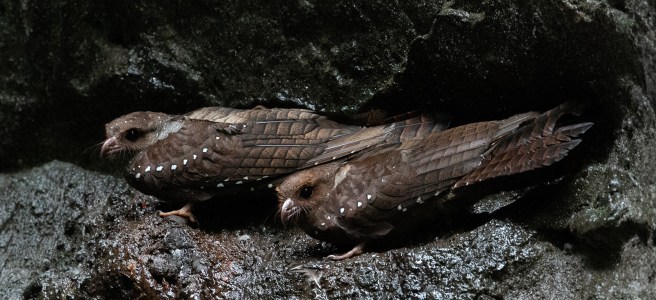
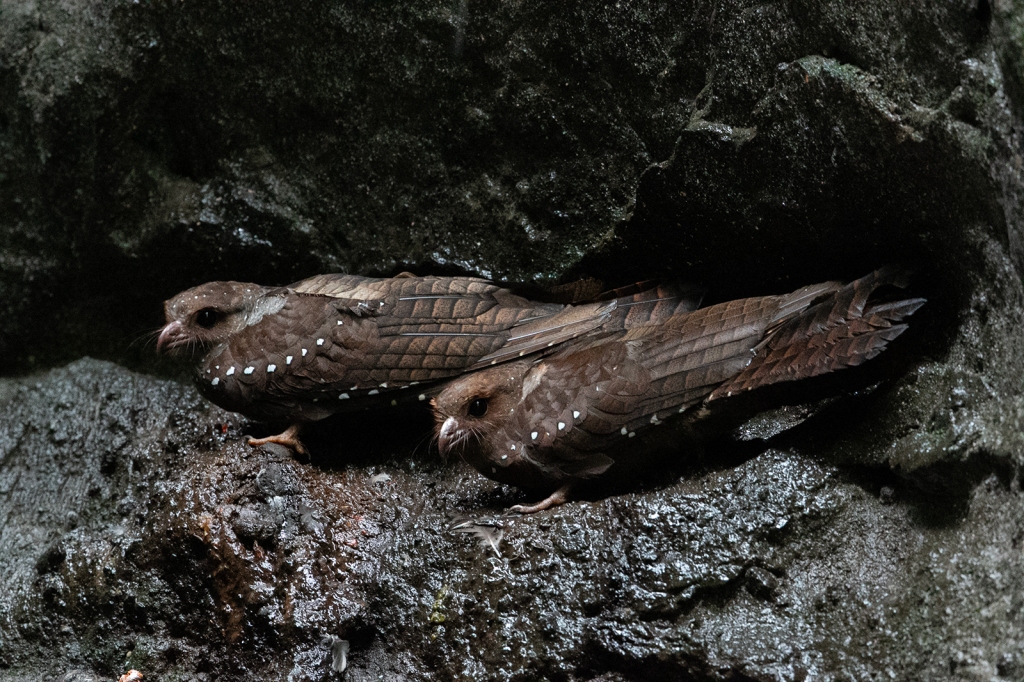
Okay, a fruit-eating, nocturnal, cave-dwelling, echo-locating bird whose calls sound like a man being tortured. Nothing to see here; move along.
Evolution has some ‘splainin to do.
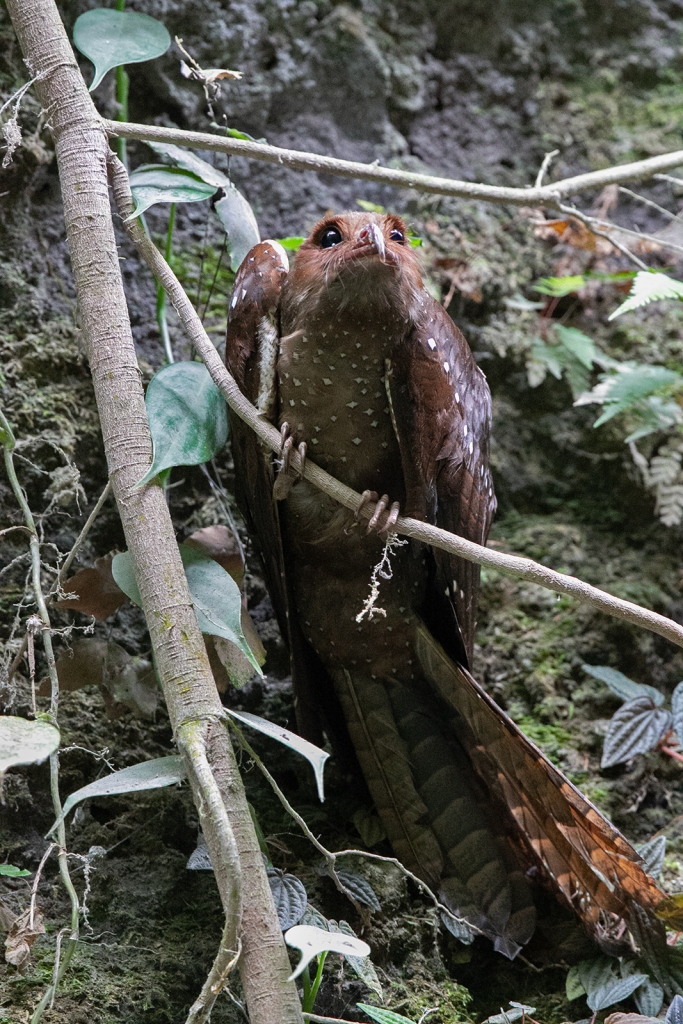
Oilbirds – the species’ hatchlings are heavier and fattier than a full-grown adult, and were rendered for oil on occasion; hence the common name – are distant cousins of Nightjars, the crepuscular/nocturnal insect eating birds like the Common Nighthawk. But the Oilbirds split off from the Nightjars a long time ago. A really long time ago, in the early Eocene. More than 50 million years ago. A fossil Oilbird was found in the Green River Formation in Wyoming. That also suggests that Oilbirds were widely dispersed in earlier days; today they are confined to the northern half of South America.
Oilbird, Ecuador
Oilbirds are so unique they are the only living member of the family Steatornihidae…
My manuscript A Greek Matinée, genre that "sweet spot" between Literary and Commercial/Book Club Fiction with fit to Unstable Minds; progress and curious things; Writing, Greek Gods, Books, Recipes, Bits & Bobs




 Janet's Thread 2